In 2026, a website is more than a digital storefront—it’s a conversion engine. Every element, from layout to copy to interactions, plays a role in guiding visitors toward a desired action. Webflow offers a unique platform for building websites that not only look stunning but also drive measurable results. Unlike traditional CMS platforms, Webflow combines visual design freedom with production-ready code, enabling designers, marketers, and developers to work seamlessly together.
The key to high-performing Webflow websites lies in a conversion-focused design approach. Rather than focusing solely on aesthetics, top-performing sites prioritize the user journey, clarity, and engagement. Each page should serve a purpose: whether capturing leads, educating visitors, or closing sales. When design decisions are tied to conversion goals, the website becomes a strategic asset rather than just an online presence.
Start With the User Journey
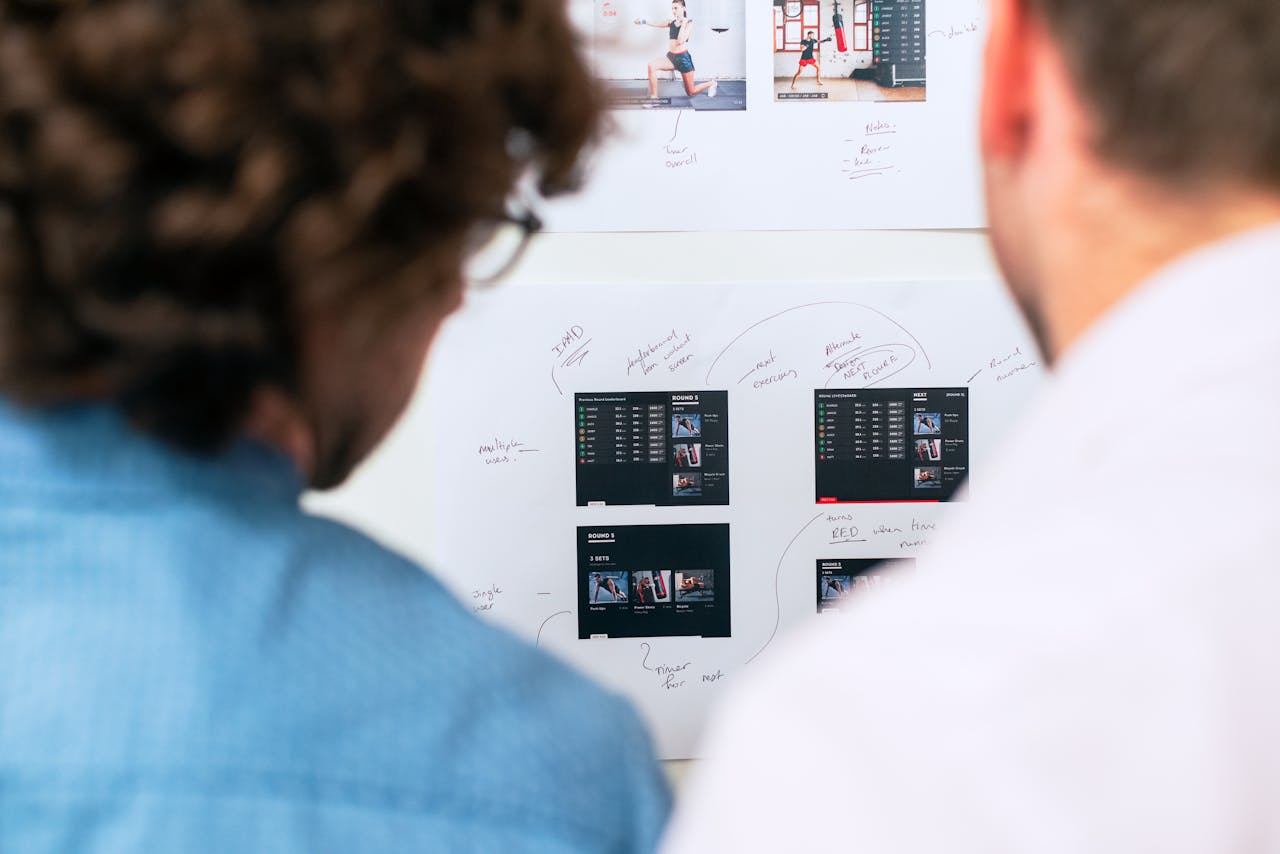
Understanding your visitors’ needs is critical. Before building a Webflow site, map out the user journey. Identify the key touchpoints, content needs, and potential friction points. What questions are visitors asking? What actions do you want them to take? Answering these questions before designing pages ensures every element supports conversion.
Webflow makes it easy to structure complex journeys without sacrificing design. Using reusable components, dynamic content, and well-organized layouts, designers can create a seamless experience where visitors are naturally guided from awareness to action. Personalization features allow content to adapt based on user behavior, location, or referral source, creating a tailored experience that feels intuitive and relevant.
Clarity and Visual Hierarchy Matter
Conversion-focused design relies heavily on clarity. Visitors should instantly understand where to look, what information is most important, and which actions to take next. Webflow’s visual editor enables designers to build clear, structured layouts while maintaining full creative control.
Visual hierarchy is key. Headings, subheadings, spacing, and contrast guide users’ attention. Calls-to-action should stand out without being intrusive, and key information should be front-loaded so visitors don’t need to hunt for it. With Webflow, every layout element can be tested and refined until it supports both aesthetics and conversion goals.
Forms and Calls-to-Action
Forms are the bridge between visitors and leads. Webflow’s form builder allows marketers to create flexible, visually appealing forms that integrate seamlessly with CRMs and automation tools. For conversions, less is often more: only ask for information that is truly necessary at that stage of the journey.
Calls-to-action are equally important. Webflow supports dynamic buttons and interactive elements that can respond to hover states, scroll behavior, or page context. This subtle interactivity draws attention to key offers without overwhelming visitors. Combining strategic form placement with compelling CTAs can significantly increase the number of qualified leads generated from a website.
Leverage Interactions for Engagement
Webflow’s interactions and animations system is not just for aesthetics—it’s a tool for enhancing engagement and conversion. Thoughtful animation can guide users through content, emphasize important messages, and create a memorable experience. For example, an animated scroll-triggered section can draw attention to a case study, while a hover interaction can highlight a product feature.
What sets Webflow apart is that these interactions are built directly into the platform. Designers can implement advanced effects without adding custom code, ensuring the site remains maintainable and fast. In 2026, the ability to combine beautiful design with functional interactivity is essential for standing out and keeping users engaged.
SEO and Performance Optimization
A high-converting website must also be discoverable. Webflow offers robust built-in SEO tools, allowing users to optimize metadata, generate sitemaps automatically, and implement schema markup without relying on third-party plugins. Fast loading times, responsive design, and clean code ensure that both users and search engines have a smooth experience.
Performance and SEO are closely tied to conversions. Visitors are less likely to bounce from pages that load quickly and display properly on mobile devices. Webflow’s hosting and content delivery network guarantee speed and reliability, giving your marketing efforts a solid foundation.
Content Strategy and Dynamic CMS
Webflow’s CMS capabilities are a game-changer for growing businesses. By structuring content dynamically, marketers can create blog posts, case studies, portfolios, and product pages that automatically update across the site. This reduces manual work and ensures consistency in messaging and design.
Dynamic content also allows for segmentation and personalization. For instance, leads from a specific campaign can be shown related case studies or offers. This kind of intelligent content delivery increases engagement and leads, making the website a powerful conversion tool.
Continuous Testing and Iteration
High-converting Webflow websites are never “finished.” Conversion optimization is an ongoing process, relying on testing and refinement. Webflow supports A/B testing of pages, forms, and interactive elements, allowing teams to make data-driven decisions.
Regularly reviewing analytics helps identify drop-off points and areas where visitors may struggle. This insight can inform design tweaks, content updates, or interaction adjustments. Over time, iterative improvements lead to a website that continuously drives more qualified leads and higher engagement.
Conclusion
Designing high-converting Webflow websites in 2026 requires a balance of visual creativity, technical precision, and a deep understanding of user behavior. Webflow provides the tools to achieve this balance, from modular layouts and dynamic CMS capabilities to interactions and SEO optimization. By focusing on clarity, engagement, and continuous testing, businesses can build websites that not only impress visually but also drive real results.
For modern companies and creative agencies, Webflow is more than a design platform—it’s a conversion-focused ecosystem that supports growth, agility, and marketing success.